Insurance Documentation Support in Scranton, PA
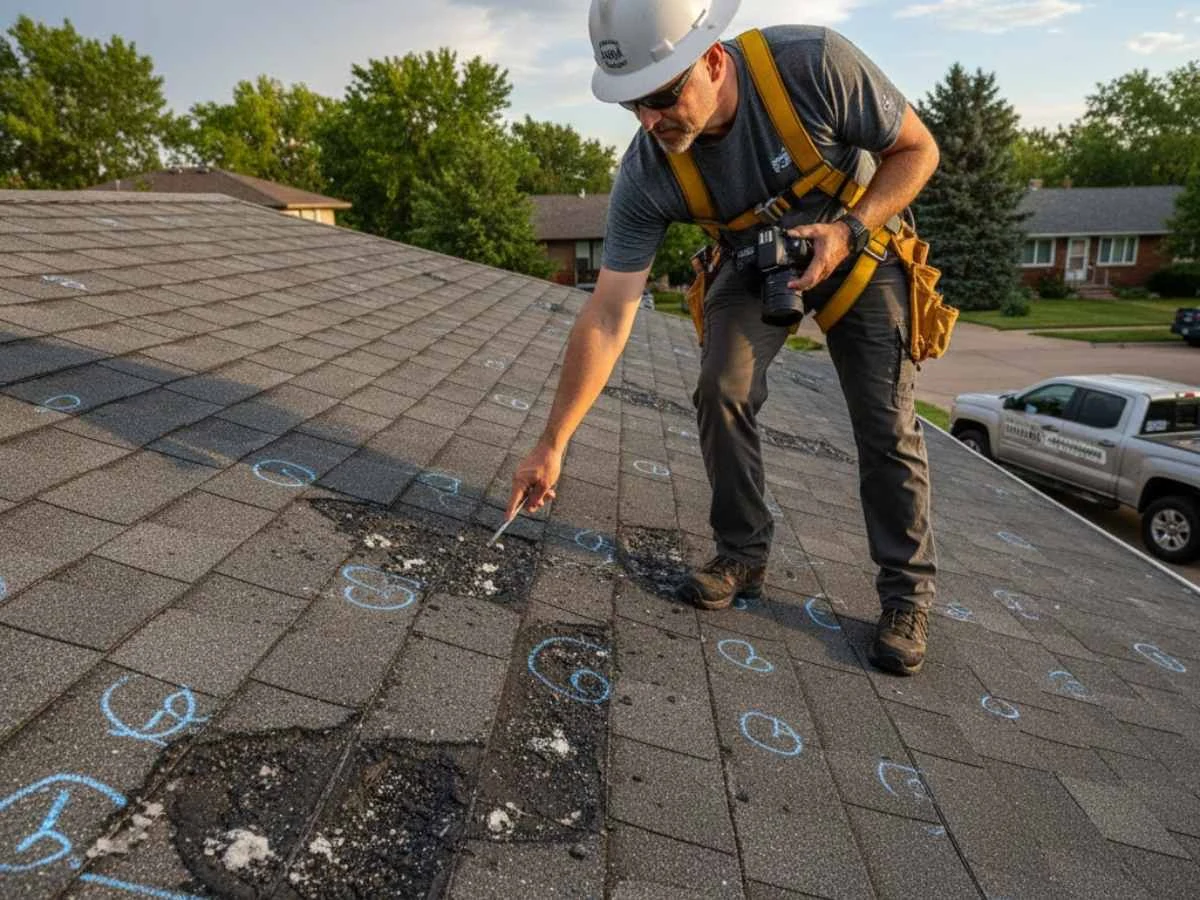
Documenting Roof Damage the Way an Adjuster Actually Needs It
The Wyoming Valley has a long relationship with weather-driven insurance claims, going back to the Susquehanna's flood damage during Agnes in 1972 and the levee work that followed, and that history is part of why documentation culture matters so much on commercial roofs here. We build every damage record the same way regardless of the size of the event: factual, photo-backed, and tied to a specific location on the roof, because that is what actually holds up when a claim gets reviewed.
What We Document and Why It Is Structured This Way
A roof damage record is only useful to an adjuster if it answers three questions clearly: what happened, where exactly it happened, and when it likely happened relative to a specific weather event. We build our documentation around those three questions every time, rather than a general narrative description of roof condition.
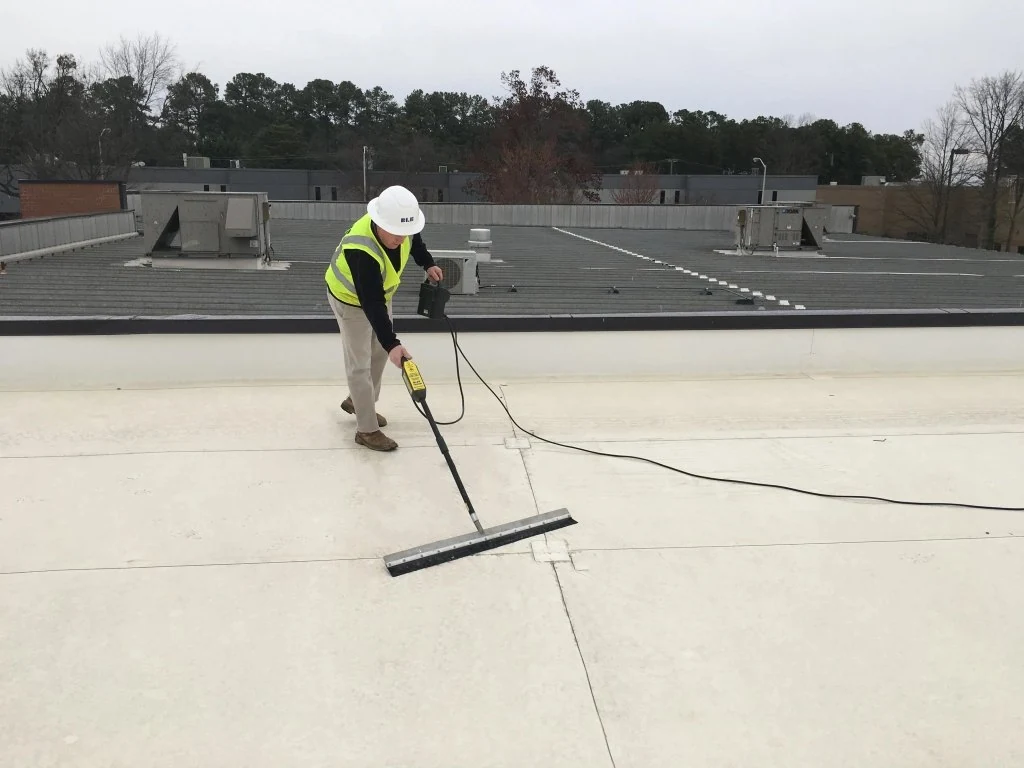
That means photos tied to a roof plan location rather than a loose folder of images, notes on the specific damage pattern that ties it to wind, hail, or snow load rather than general wear, and where available, a cross-reference to local weather data for the date in question. On a distribution roof spanning acres, that location-specific approach is the difference between a claim an adjuster can quickly verify and one that leaves them guessing.
Separating Storm Damage From Pre-Existing Wear
Every commercial roof has some amount of ordinary wear sitting alongside any storm damage, and conflating the two is the fastest way to undermine an otherwise legitimate claim. We document both when we see them together, and we say plainly which is which. If a section of membrane shows both wind-lifted edges from a recent storm and years of prior granule loss from routine age, both observations go in the record, clearly labeled.
That honesty works in the owner's favor over time. An adjuster who sees a contractor consistently separate real storm damage from pre-existing condition trusts that contractor's documentation more, on this claim and on the next one.
What Goes Into a Documentation Package
A complete documentation package assembled after a storm or snow-load event typically includes the following pieces, gathered as close to the event as access and safety allow:
- Dated, location-tagged photographs of every area of observed damage
- Comparison photographs of adjacent undamaged roof area for context
- A written scope describing the damage pattern and its likely cause
- Cross-referenced local weather data for the date of the event where available
- A repair cost estimate broken out by the specific damaged areas identified
- Prior inspection or maintenance records for the roof, if we have them on file, to establish baseline condition
That baseline condition record is one reason a standing maintenance program or regular inspection history makes a claim easier to support later. A roof with a documented condition history a month before a storm gives an adjuster a clean before-and-after comparison instead of a single post-event snapshot.
What We Do Not Do
We do not promise a claim outcome, and we do not inflate a scope to match a number an owner hopes to see. The decision on any claim belongs to the carrier and the adjuster, not to us, and we tell owners that directly at the start of any documentation engagement. Our role is to make sure the facts on the roof are captured accurately and presented clearly enough that the claim gets evaluated on its actual merits.
Working Alongside Your Adjuster
We are available to walk a roof directly with an adjuster when that is useful, pointing to the same location-tagged photos and scope already provided so there is no discrepancy between what we documented and what they are seeing on site. If an adjuster requests additional detail on a specific area, we can typically get back out to gather it without delaying the claim timeline.
On events serious enough to require immediate protection, our emergency dry-in response happens first, and documentation of the pre-repair condition is captured before that temporary work covers the damage, since an adjuster needs to see the original condition itself rather than the tarp that was placed over it afterward.
The cluster of documentation and repair pages that support this work goes deeper on specific peril types: our commercial roof insurance claim assistance page covers the full claim process end to end, and we break the two most common regional causes out on their own for owners researching a specific loss - snow and ice dam claims for winter events, and wind and storm damage claims for the thunderstorm and nor'easter wind events more common the rest of the year.
Getting Documentation Right the First Time
Redoing a documentation package after the fact, once weather or repair work has already changed what is visible on the roof, is far harder than getting it right on the first visit. That is why we treat the initial walk after any event as the priority visit, ahead of quoting the repair itself, since the record of what the roof looked like right after the event cannot be recreated once it is gone.
For owners managing more than one building in the region, keeping documentation consistent across properties also matters. A drain-clearing record from a Wilkes-Barre distribution roof and a storm assessment from a Scranton manufacturing plant should read the same way, use the same location-tagging approach, and hold up to the same level of scrutiny, whether the claim is small or significant.
Insurance Documentation Questions We Hear
How soon after a storm should documentation start?
As soon as it is safe to access the roof. Damage assessed close to the event date is easier to tie clearly to that specific weather, before secondary conditions complicate the picture.
Will you tell us if you think a claim is weak?
Yes. If documented damage looks more like ordinary wear than a storm event, we say so plainly rather than dressing it up for a claim that is unlikely to hold.
Do you communicate directly with our insurance company?
We provide documentation your team can submit and are available to speak with or walk the roof alongside an adjuster if that is useful, though the claim relationship remains between you and your carrier.
Can you document damage from an event that happened months ago?
In some cases, yes, especially if the damage pattern is still identifiable and distinguishable from ongoing wear, though documentation gathered close to the event date is always stronger.
Does a maintenance history actually help a claim?
It does. A documented baseline condition from before the event gives an adjuster a clear before-and-after comparison, which is more persuasive than a single post-storm assessment on its own.
Ready to review the roof scope?
Request a Roof AssessmentRelated Commercial Roofing