Acrylic Roof Coatings in Scranton
Acrylic Coatings for Small Commercial Buildings on a Budget
A coating recommendation starts with adhesion, moisture, drainage, membrane condition, detail preparation, and warranty eligibility-not every existing roof is a restoration candidate. Not every small storefront or strip retail building needs the premium price tag that comes with silicone coating. Acrylic costs less, performs well on roofs with decent drainage, and fits the budget reality of a lot of small business owners around this market.
A Lower-Cost Coating Option for Small Storefronts
Old Forge's restaurant row and the small commercial buildings along the Peckville strip in Blakely are mostly modest-sized structures with limited capital budgets. For a business owner weighing a full reroof against extending the current roof a few more years, acrylic coating is often the most realistic financial option that still meaningfully addresses UV degradation and minor leaks.
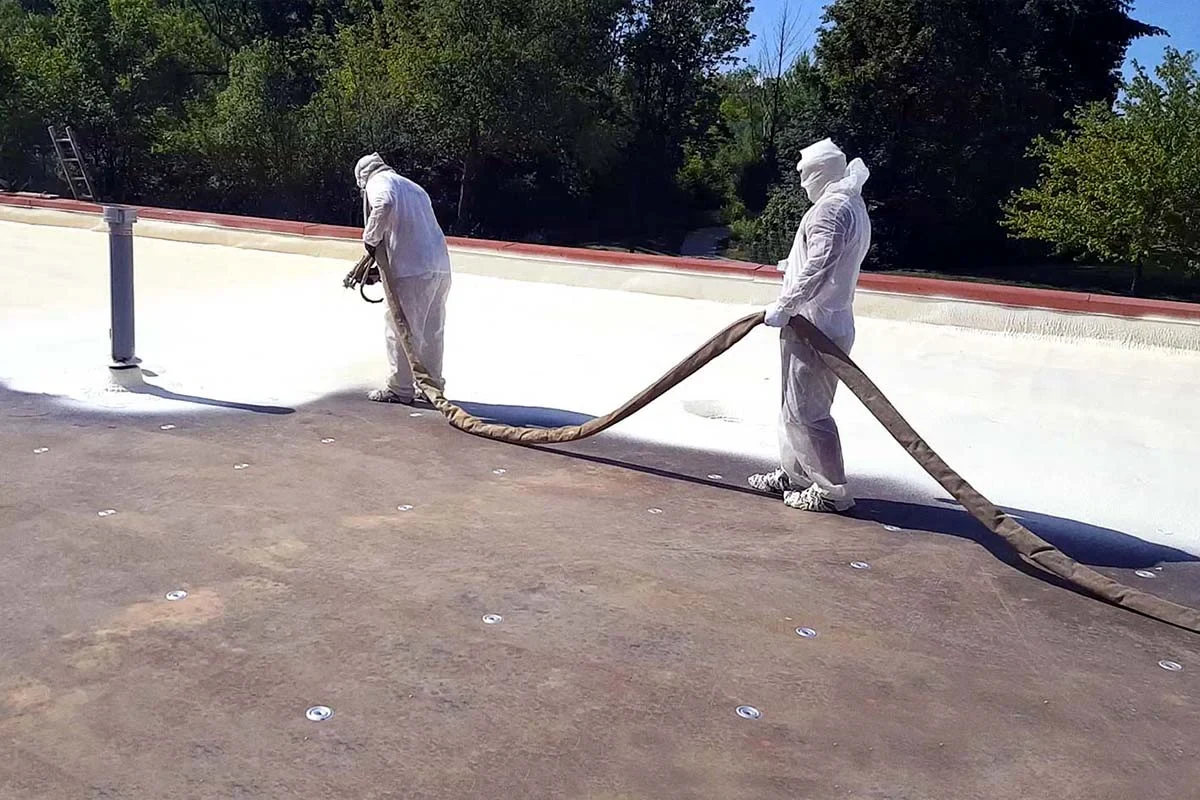
Acrylic applies easily over a range of substrates including aged metal, modified bitumen, and some single-ply membranes, and it dries to a reflective white or light-colored finish that immediately changes how the roof performs in summer heat.
Small business owners running a storefront on Wyoming Avenue in Exeter face the same math as the restaurant owners up in Old Forge: a full reroof competes directly against other capital needs, and a coating that meaningfully extends roof life for a fraction of the cost is often the more sensible call for where the business is at.
Where Acrylic Makes Sense and Where It Does Not
The tradeoff with acrylic is water tolerance. Acrylic coating softens and can fail under sustained ponding water, unlike silicone, which means it is a strong fit for a roof with decent slope and functioning drainage, and a poor fit for a flat roof that regularly holds standing water after rain. We check drainage performance during inspection before recommending acrylic over the pricier alternative.
- Roofs with adequate slope and drains that actually clear water within a day
- Buildings with a tighter capital budget where cost matters more than maximum service life
- Metal roofs needing rust encapsulation and a reflective refresh
- Smaller footprint buildings where lower material volume keeps total project cost down
- Roofs due for recoating on a shorter, more frequent maintenance cycle
When a roof shows chronic ponding, we say so directly and recommend silicone or a different repair approach instead of applying acrylic where we know it will underperform.
Cooling a Roof Over a Restaurant Kitchen
Restaurant buildings along Old Forge's restaurant row run kitchen exhaust systems that already push a lot of heat onto the roof surface, on top of normal summer sun exposure. A reflective acrylic coating knocks down surface temperature meaningfully, which reduces stress on the membrane underneath and can ease the load on rooftop HVAC units cooling the dining room below.
We do treat grease exposure separately from the general coating recommendation, though. A section of roof directly downwind of a kitchen exhaust hood needs grease-resistant treatment or a different membrane entirely, since standard acrylic is not formulated to resist sustained grease contact the way PVC is.
Application Windows in a Northeastern Pennsylvania Climate
Acrylic coating needs a dry, temperate window to cure properly, which narrows the practical install season here compared to some other coating chemistries. Spring and fall generally offer the best combination of temperature and dry weather for application, while the depths of winter and the humid stretches of midsummer both create curing challenges.
We watch the forecast closely before scheduling acrylic work and will push a start date rather than rush an application into a stretch of rain, since coating applied ahead of moisture exposure before it cures properly fails early and needs redoing.
Maintaining an Acrylic-Coated Roof Year to Year
Acrylic coating requires more frequent recoating than silicone, generally on a shorter interval, which is part of the cost tradeoff a building owner accepts in exchange for the lower upfront price. Annual or biannual inspection catches thin spots, pinholes, and areas where foot traffic or debris has worn through the coating before they turn into active leaks.
Debris buildup matters more with acrylic than some other systems, since organic material sitting on the coated surface holds moisture against it and can accelerate coating breakdown in that specific spot. A simple annual roof cleaning extends acrylic coating life more than almost any other single maintenance step.
We provide a straightforward maintenance checklist to owners after every acrylic coating job, since a lot of these buildings are self-managed by the owner rather than a property management firm, and a clear list of what to check each season goes a long way toward getting full value out of the coating investment.
Acrylic Coating Questions From Small Business Owners
Is acrylic coating a good option for a flat roof with drainage issues?
Not usually. Acrylic performs best on roofs that drain well. A roof with chronic ponding water is a better fit for silicone coating or a different repair approach.
How does acrylic compare in price to silicone coating?
Acrylic generally costs less per square foot, which is why it fits smaller budget projects, though it also typically needs recoating on a shorter cycle.
Can acrylic coating handle grease exposure near a kitchen exhaust vent?
Not well. That specific area usually needs a grease-resistant coating product or a different membrane system entirely rather than standard acrylic.
What time of year is best for an acrylic coating application?
Spring and fall generally give the most reliable dry, moderate weather window for proper curing in this climate.
How often does an acrylic-coated roof need to be recoated?
It depends on exposure and coating thickness, but acrylic typically needs recoating more frequently than silicone, which is part of its lower overall cost profile.
Ready to review the roof scope?
Request a Roof AssessmentRelated Commercial Roofing