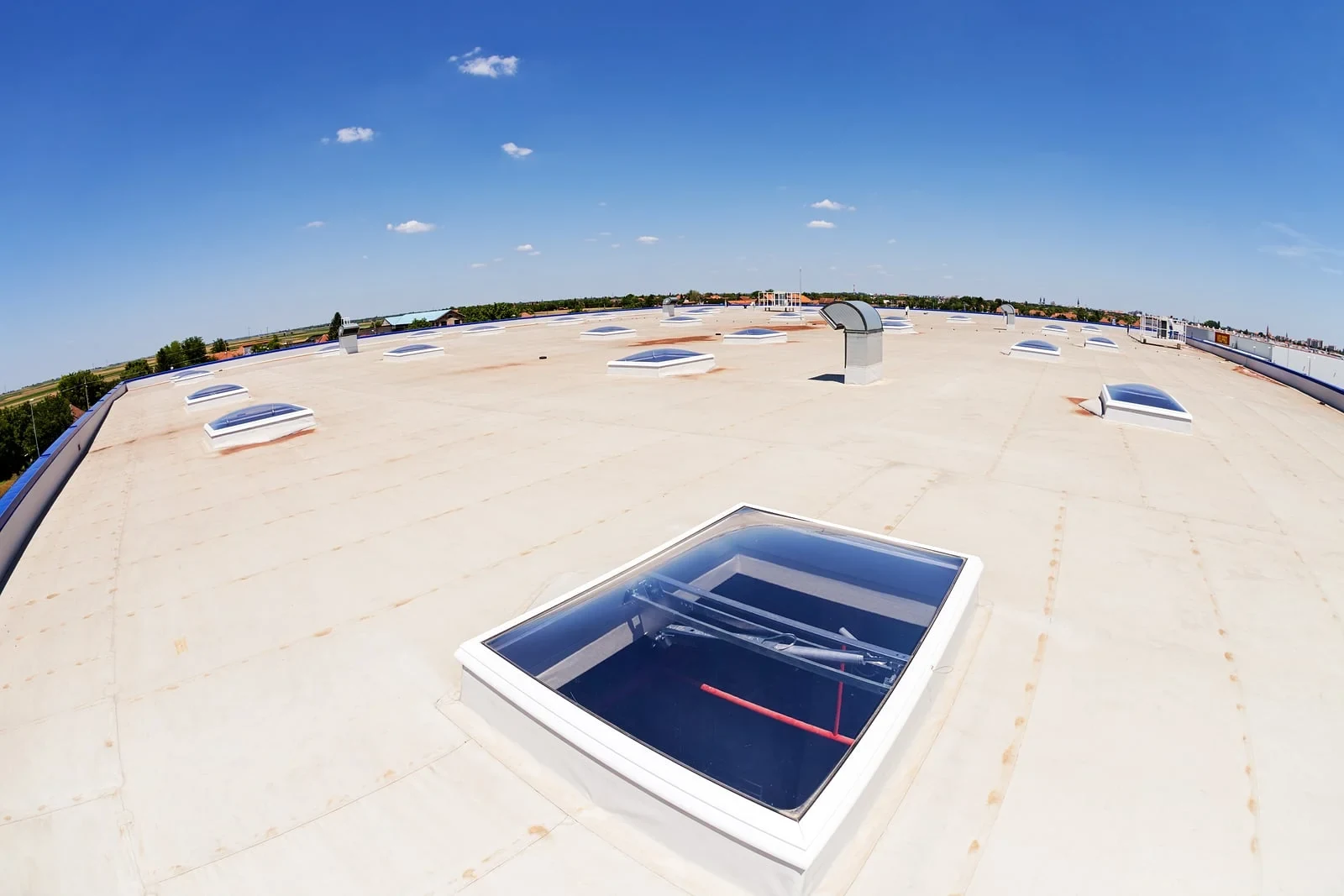
Silicone Roof Coatings in Scranton, PA
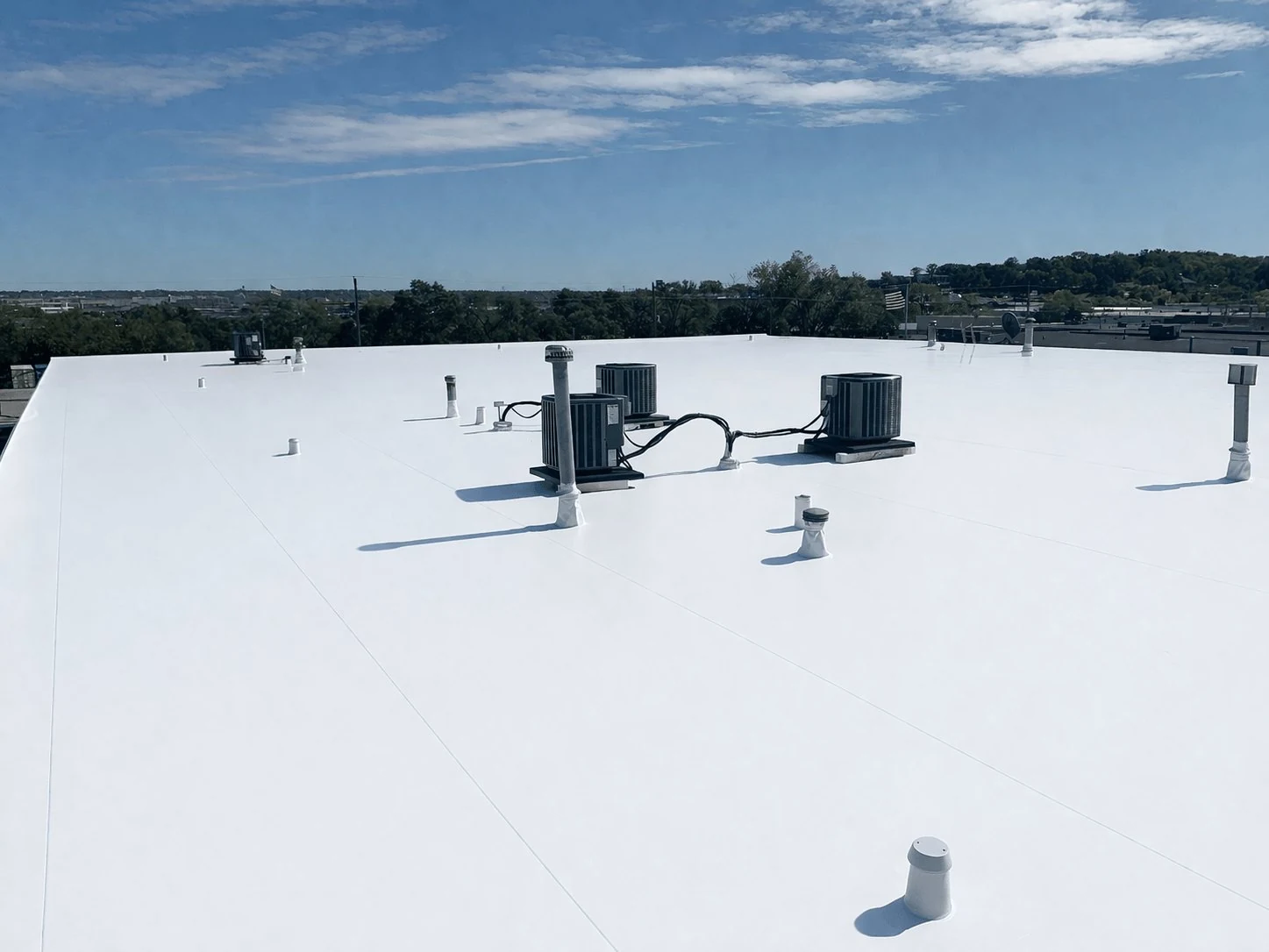
Silicone Coatings to Restore Rather Than Tear Off
Not every roof that's failing needs a full tear-off. Silicone coating restoration lets an occupied building - a distribution center that can't go dark, a downtown storefront mid-lease - extend the life of an existing roof without the disruption of a complete replacement.
Restoration as the No-Disruption Alternative to Tear-Off
A full reroof means open deck at some point in the process, which is a bigger operational disruption than most tenants or facility managers want to plan around, especially on a logistics building along I-81 where the dock doors don't stop moving for a construction schedule. Silicone coating goes on over the existing membrane in a controlled sequence, keeping the roof weather-tight throughout rather than exposing the building to open sections during install.
We evaluate coating eligibility on every reroof inquiry before recommending a full tear-off, because a roof that qualifies for restoration is almost always the lower-disruption and lower-cost path for an owner who doesn't need to solve a structural or deck problem underneath.
Ponding Water and Freeze-Thaw Crack Bridging
Flat and low-slope roofs across NEPA's older industrial buildings often develop ponding areas as decks age and drainage slopes settle unevenly, and standing water accelerates membrane breakdown faster than almost anything else short of physical damage. Silicone coating resists ponding water degradation better than most other coating chemistries, which makes it our first choice on roofs with documented ponding history rather than a roof with clean, fast drainage.
The coating's elastomeric quality also matters through NEPA's freeze-thaw cycling. Existing cracks and splits in an aging membrane open and close as temperatures swing through winter, and silicone coating bridges those movement joints rather than cracking along with them the way a rigid patch material would.
Which Existing Substrates Take a Coating Well
Silicone coats over EPDM, modified bitumen, metal, and most existing single-ply membranes, provided the substrate is structurally sound and clean enough for the coating to bond properly. We don't coat a roof with active leaks or deck damage underneath - those get addressed first, or the building goes the full-replacement route instead.
Older metal roofs on some of the smaller manufacturing buildings around Olyphant and Throop's industrial parks are good coating candidates too, since a fastener-sealing and rust-inhibiting silicone system can add real service life to a metal roof that's structurally sound but showing surface deterioration.
We also check fastener condition closely on metal roofs before recommending a coating, since a coating system seals and protects existing fasteners but doesn't replace ones that have already backed out or corroded past the point of holding panels securely. Those get addressed mechanically first, coating applied second.
We document fastener and seam condition with photos at inspection so the owner sees exactly what's driving the mechanical-repair line item on the proposal, rather than a vague reference to "repairs as needed" that leaves the actual scope unclear until the crew is already on the roof.
- Roofs with documented ponding water history rather than clean drainage
- Occupied buildings that can't tolerate open-deck sections during a tear-off
- Existing EPDM, modified bitumen, or metal substrates in sound condition
- Membranes showing surface cracking from freeze-thaw movement, not structural failure
- Owners prioritizing lower disruption and cost over a full system replacement
Recoat Cycles and Maintenance Expectations
A silicone coating isn't a one-time fix - it's a maintenance system with its own recoat cycle, and we set that expectation with owners up front rather than let a coating job get mistaken for a permanent replacement. We inspect coated roofs on a regular schedule to catch thinning or wear at high-traffic and ponding zones before it becomes a leak, and recoat those areas proactively rather than reactively.
Inspection Before Recommending Coating Over Replacement
We don't sell a coating job to an owner who actually needs a full replacement, and the inspection process is where that distinction gets made. Core samples at a few locations tell us whether moisture has already worked into the insulation layer beneath the membrane, which a surface coating can't fix regardless of how well it bridges surface cracks.
On distribution buildings along I-81 where downtime is expensive, we'd rather deliver an honest answer that a section needs tear-off and replacement than sell a coating that buys a couple of dry seasons before the same leak returns, this time with wet insulation adding to the repair scope. The inspection findings go into the proposal in plain terms, core sample results and moisture readings included, so the owner is deciding from the same information we are.
Silicone Coating Questions
How do I know if my roof qualifies for a coating instead of a tear-off?
We inspect the existing membrane and deck for moisture, structural soundness, and substrate compatibility. A roof with active leaks or deck damage typically needs repair or replacement first.
Does silicone coating stop existing ponding water?
It resists degradation from ponding better than most coating alternatives, but it doesn't correct the underlying drainage slope. Severe ponding sometimes needs tapered insulation work alongside the coating.
How long does a silicone coating last before recoating?
Service life depends on substrate condition, traffic, and ponding exposure at the specific roof. We set inspection intervals per building rather than apply one fixed timeline to every roof.
Can silicone coating go over an existing metal roof?
Yes, provided the metal is structurally sound. Coating can address surface rust and fastener sealing while extending the roof's service life.
Is coating cheaper than a full reroof?
Usually, yes, when the roof qualifies. The comparison depends on the existing roof's condition and how many more service years the restored system realistically buys the owner.
Ready to review the roof scope?
Request a Roof AssessmentRelated Commercial Roofing