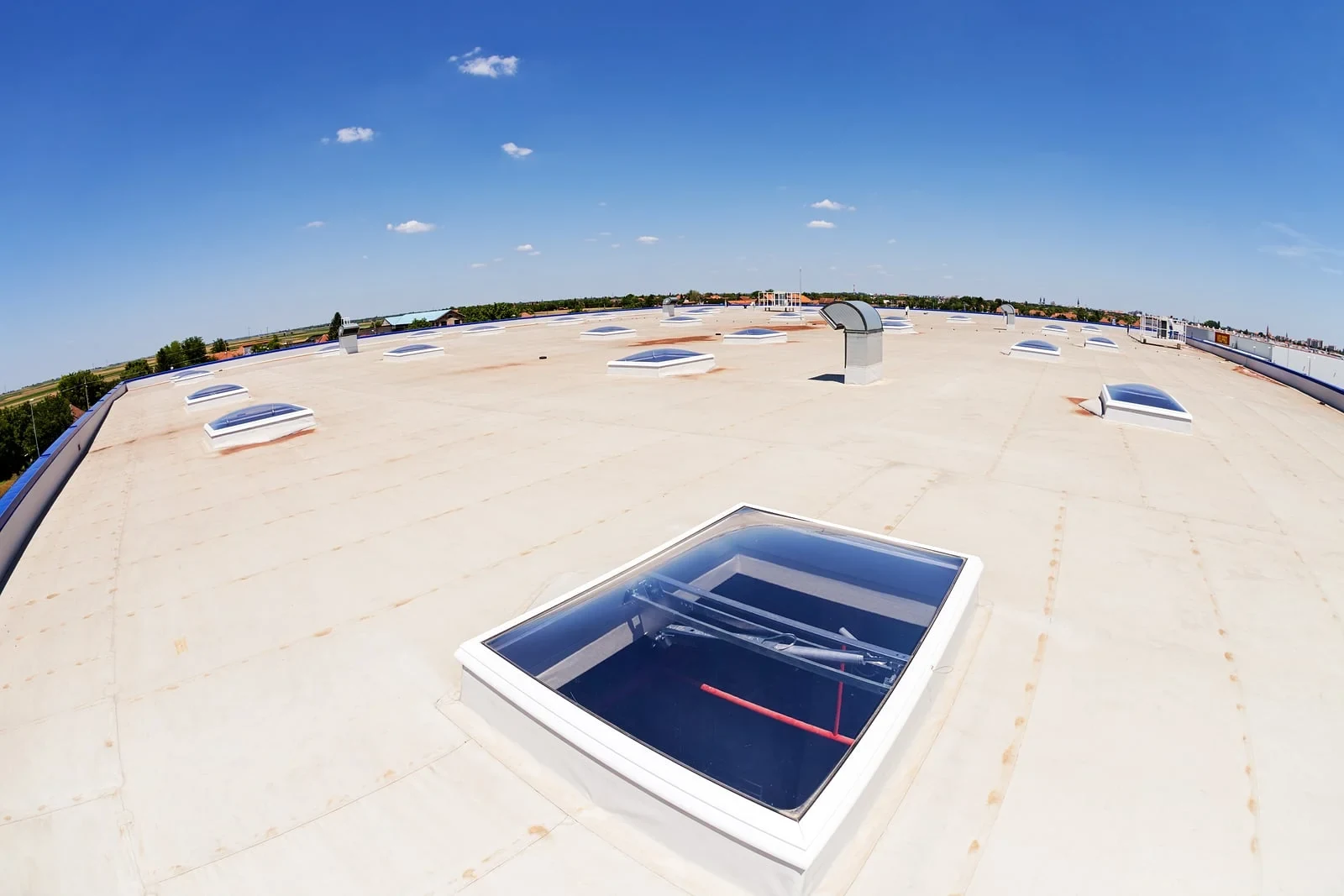
Modified Bitumen SBS Roofing in Scranton, PA
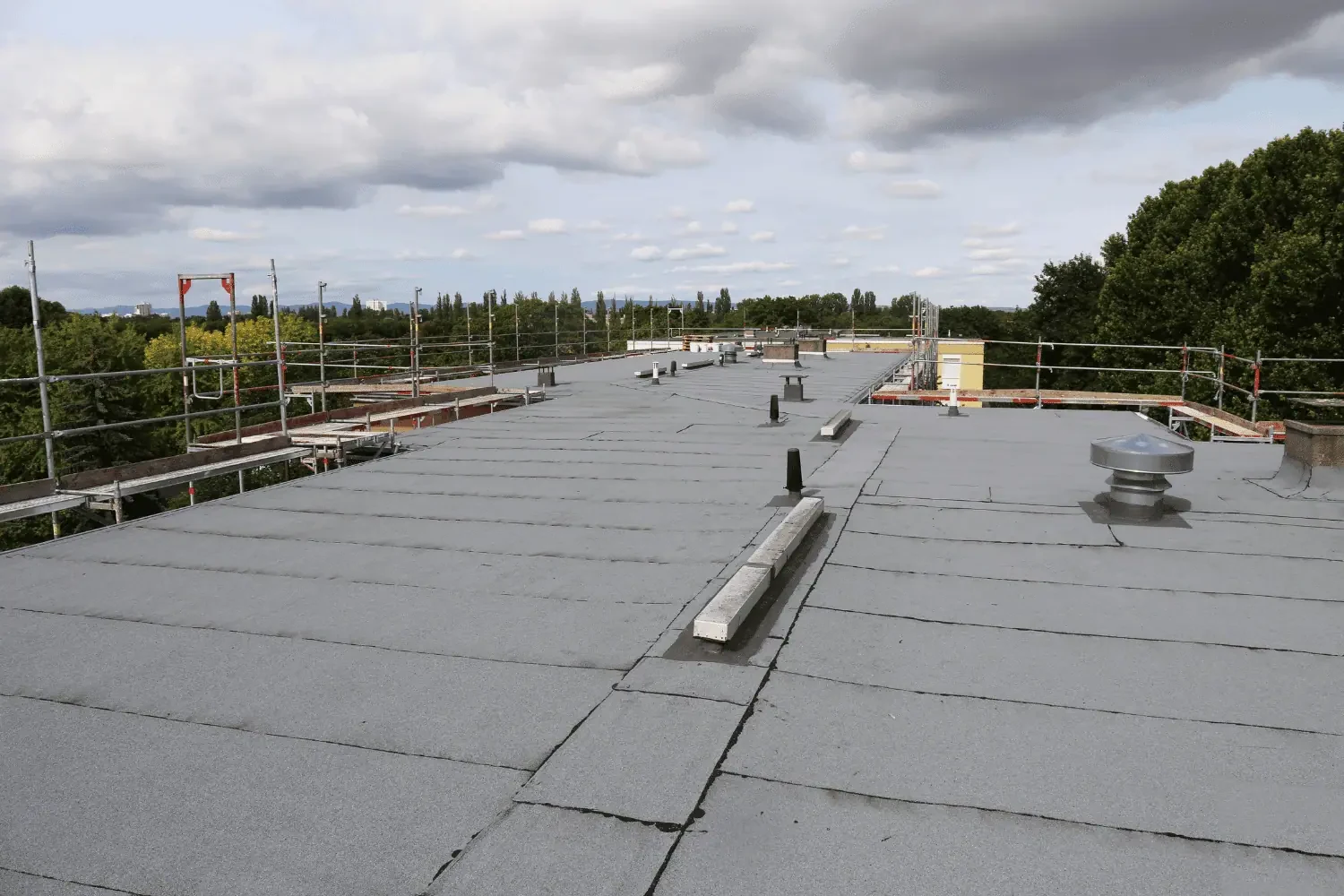
SBS Modified Bitumen on Older NEPA Manufacturing Roofs
Modified bitumen still gets specified on a specific category of building in this region: older manufacturing and mill-town structures where a multi-ply built-up system is already in place and a full single-ply tear-off doesn't make economic or structural sense. SBS is the version we reach for most on those jobs.
Where SBS Still Wins the Bid Over Single-Ply
Mill-town commercial buildings in Nanticoke, Plymouth, and the older sections of Carbondale often carry multi-ply built-up roofs from prior generations of reroof work, layered over decades rather than torn off and replaced clean. SBS modified bitumen integrates with that layered history more naturally than a single-ply membrane would, letting us tie a new cap sheet into an existing base without a full strip-down on every job.
It also handles the deck movement and irregular flashing details common on these older structures better than a rigid single-ply sheet, since the multi-ply assembly distributes stress across more material.
We also see modified bitumen requested by ownership groups who've had good experience with a prior SBS roof on a sister property and want continuity across a small portfolio rather than introduce a new membrane category into their maintenance routine. That familiarity is a legitimate factor in a manufacturer and system decision, weighed alongside the technical spec comparison rather than instead of it.
Torch-Applied vs Cold-Adhesive Near Occupied Storefronts
We also see SBS specified simply because it's what a building's insurance carrier or lender already has on file from the last reroof, and matching the existing system avoids reopening a conversation about system type during a financing or coverage renewal. That's a practical driver worth naming plainly rather than dressing up as a technical preference.
Torch-applied SBS gives the strongest bond and is our default where the building allows it, but open flame near occupied storefronts - think Main Street in Plymouth or the restaurant row through Old Forge - carries real fire risk we won't take on casually. On those jobs we switch to cold-adhesive or self-adhered SBS systems, trading some install speed for a method that doesn't put an open flame near tenants working below during business hours.
We make that call on site based on occupancy, not as a blanket policy, since some downtown buildings sit vacant or under renovation and can accommodate torch work safely.
Multi-Ply Redundancy on Buildings with Structural Movement
Some of the older mining boroughs in this region sit on ground with a documented history of settlement, and buildings on that ground show it in cracked masonry, uneven floors, and roof decks that aren't perfectly level anymore. A multi-ply modified bitumen system tolerates that kind of ongoing minor movement better than a single membrane sheet stretched taut across a deck, because the redundant plies keep working even if one layer develops a stress crack.
We don't treat modified bitumen as a fix for serious structural issues - those get referred to a structural engineer before any roofing work proceeds - but for the low-level settlement common in older mill-town construction, the multi-ply approach is a genuinely better match than single-ply.
- Existing multi-ply built-up roofs where full tear-off isn't economical
- Occupied storefront buildings requiring cold-adhesive over open-flame application
- Older structures with documented minor settlement or deck irregularity
- Complex parapet and scupper details from decades of prior roof modifications
- Buildings where redundant ply construction outperforms a single membrane sheet
Parapet and Scupper Detailing on Mill-Town Rooflines
Downtown and mill-town buildings tend to have taller parapets and through-wall scupper drainage rather than the simple roof-edge drainage common on a newer warehouse. SBS flashing details wrap those parapets and scupper penetrations with layered ply construction that we can build up in the field to match whatever odd geometry the original masonry left us, rather than relying on prefabricated single-ply corner pieces that don't always fit a hundred-year-old parapet detail cleanly.
Coordinating Reroof Timing with Downtown Business Hours
A storefront building along Main Street in Plymouth or the restaurant row in Old Forge doesn't get the luxury of a job site that clears out at 5 p.m. - tenants are open for business below while we work overhead, and kettle or torch work has to schedule around delivery trucks, outdoor seating hours, and pedestrian traffic on the sidewalk. We plan material staging and hoisting for these jobs specifically to avoid blocking entrances during operating hours.
That coordination sometimes means starting work earlier in the morning before a restaurant opens, or staging materials on a side street rather than directly in front of a storefront, small logistics decisions that matter more to a downtown tenant than they would on an isolated industrial building with no foot traffic underneath.
Modified Bitumen Questions
Is modified bitumen an outdated roofing system?
No - it's the right system for a specific building type: older multi-ply roofs and structures with irregular decks or parapets where single-ply doesn't integrate as cleanly.
Is torch-applied SBS safe on an occupied building?
We evaluate that building by building. Where occupancy or fire risk is a concern, we use cold-adhesive or self-adhered SBS instead of torch application.
Can SBS be installed over an existing built-up roof?
Often, yes, if the existing roof passes inspection for moisture and structural soundness. We assess that before recommending a recover over a full tear-off.
How does modified bitumen compare to TPO on cost?
It varies by job scope and existing roof condition, but on buildings where a recover avoids full tear-off, SBS can come in more economical than a comparable single-ply replacement.
Does structural settlement mean the whole roof needs replacing?
Not necessarily for minor, stable settlement - a multi-ply system can accommodate that. Significant or ongoing structural movement gets referred to a structural engineer before any roofing decision.
Ready to review the roof scope?
Request a Roof AssessmentRelated Commercial Roofing