K-12 School Roofing in Scranton, PA
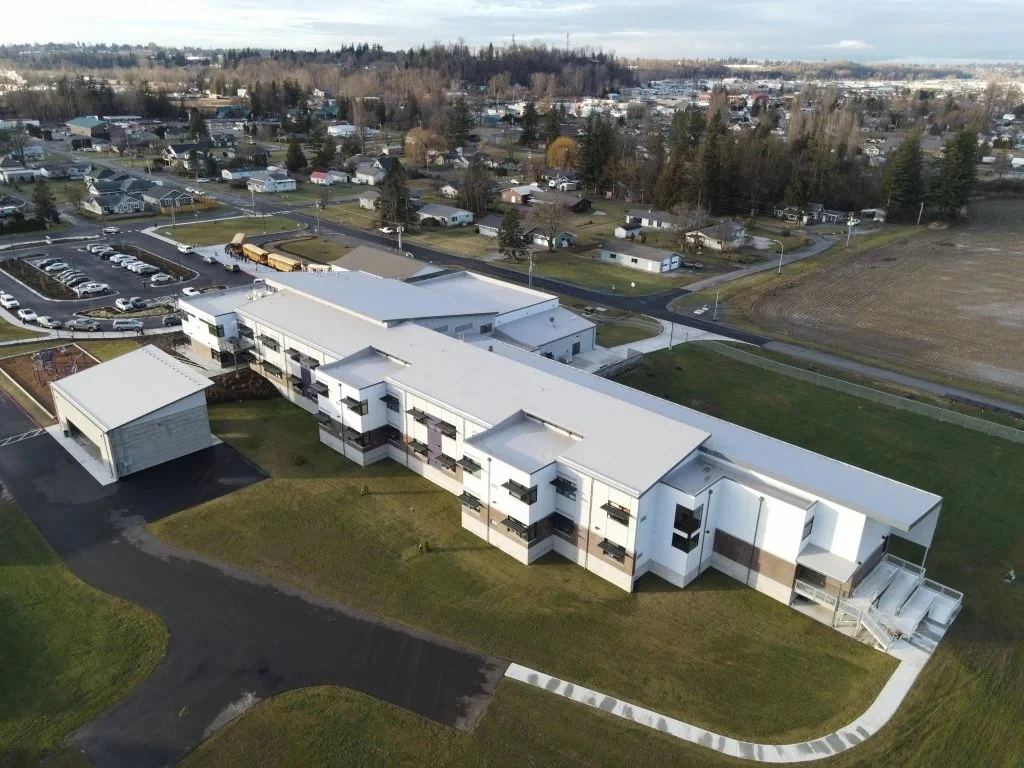
School Roofs That Only Get One Real Work Window a Year
Scranton School District and Wilkes-Barre Area School District both operate buildings that span generations of construction, from older neighborhood schools with additions bolted on over the decades to newer consolidated buildings built with wide flat gymnasium and cafeteria roofs. Every one of them runs on the same constraint: the roof gets worked on in summer, or it doesn't get worked on until next summer.
The Summer-Only Calendar and What It Means for Planning
A school roof project has roughly ten to twelve weeks between the last day of class and the start of the next school year, and that window has to cover everything from material lead times to punch-list completion before buses start running again. We start planning district roof projects months before the school year actually ends, ordering materials and locking crew availability early so the compressed summer window isn't lost to delays that could have been avoided with earlier scheduling.
Missing that window doesn't mean a short delay. It means an entire additional school year of active leaks or deferred maintenance, since almost no district wants roof crews and equipment staged around a building full of students. We treat the summer deadline as fixed and build the entire project timeline backward from the first day of school, not forward from whenever the contract gets signed.
Gym and Cafeteria Roofs: The Widest, Most Exposed Spans
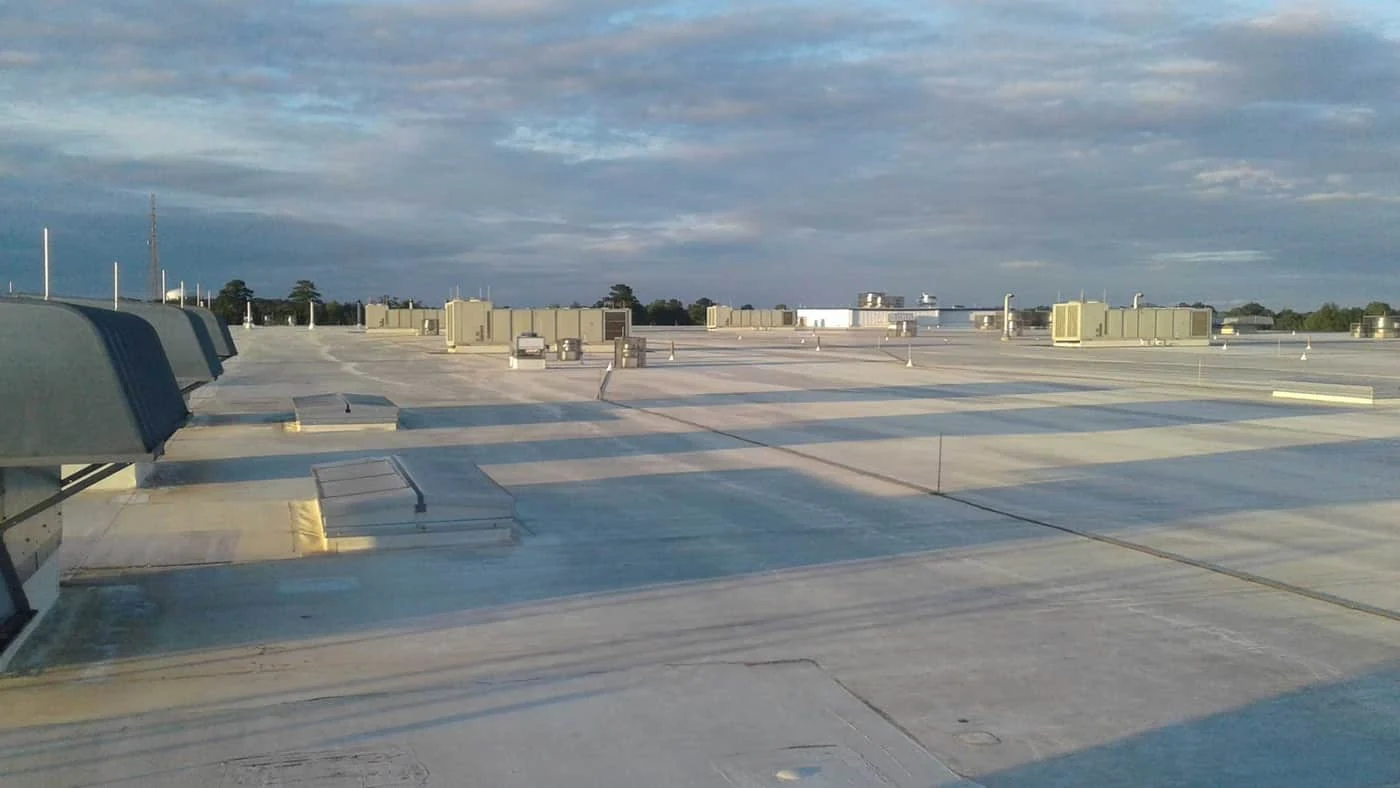
Gymnasiums and cafeterias in newer consolidated school buildings tend to have the widest clear-span flat roofs in the whole facility, built without the interior walls that break up load and drainage patterns elsewhere in the building. These wide spans see the same ponding and snow-drift concerns a warehouse roof faces, and a design flaw or drainage shortfall on a gym roof shows up as standing water or ice buildup that a classroom wing's more broken-up roofline wouldn't have.
We pay particular attention to structural deflection on these wide spans, since a gym roof that's developed a slight sag over years of snow loading can trap ponding water in a spot that then gets worse every winter until it's addressed directly rather than patched around.
Working Above Students During the School Year
Not every school roof problem can wait for summer. An active leak during the school year sometimes needs immediate response, and we handle those situations with the added consideration that comes with any building full of children, from background check and site access protocols to noise and vibration limits during instructional hours. We coordinate directly with building principals on timing for anything beyond a quiet emergency patch, since disrupting a classroom during standardized testing season creates a different kind of problem than the roof leak itself.
Fall protection and site security get extra scrutiny on active school campuses too, since keeping any construction equipment and ladder access completely separated from student areas during school hours isn't optional, it's the baseline standard we work to on every occupied school site.
- Elementary and neighborhood school buildings
- Middle and junior high school facilities
- High school campuses with gymnasium and auditorium wings
- Consolidated K-8 and K-12 school buildings
- District administrative and support buildings
- Career and technical education center facilities
Budget Cycles and Capital Planning for Districts
School district roof budgets typically get approved through a board process well ahead of the actual work, often tied to a broader facilities capital plan that has to prioritize roofs against HVAC, security upgrades, and other competing needs. We help facilities directors build the kind of condition assessment and cost estimate that supports a clear board presentation, since a roof project competing for limited capital dollars against other urgent building needs benefits from documentation that makes the case plainly.
Phasing a large district roof project across multiple summers is sometimes the realistic answer when budget doesn't allow for a full building replacement in one year, and we help plan that phasing so each summer's work stands on its own rather than leaving a building in a half-finished state that creates new problems.
Older Neighborhood Schools With Layered Additions
Plenty of the neighborhood schools scattered through Scranton and Wilkes-Barre started as a single original building decades ago and picked up wings and additions as enrollment shifted over the years, and each addition typically brought its own roof section, membrane type, and installation era. We map a school's full roof history section by section before scoping a summer project, since treating a building with four roof generations as one uniform job tends to miss the sections that actually need attention first.
Transition points between an original building and a later addition are where we find the most consistent problems on these older schools, since the roof detail connecting two different eras of construction rarely gets the same attention during a later addition that the original roof received when the building was new.
K-12 School Roofing Questions We Hear
Can you complete a full re-roof in one summer?
It depends on building size, but we plan material and crew scheduling months ahead specifically to make the summer window work.
What happens if a leak occurs during the school year?
We coordinate emergency response with the building principal, working within access and noise protocols appropriate for an occupied school.
Why do gym and cafeteria roofs need extra attention?
Their wide clear-span design lacks interior walls that break up drainage elsewhere, making ponding and structural deflection bigger concerns.
Can a large project be phased across multiple summers?
Yes, and we plan each phase so the building isn't left in a vulnerable half-finished state between summers.
Do you help with board-level budget presentations?
Yes, we provide condition assessments and cost estimates that support a clear capital planning case to the district board.
Ready to review the roof scope?
Request a Roof AssessmentRelated Commercial Roofing