Multi-Tenant Retail Strip Roofing in Scranton, PA
Strip Center Roofs Where Every Storefront Has Different Hours
Route 6 through Dickson City and Archbald carries the valley's big-box retail corridor, with Viewmont Mall as its largest draw, while Wyoming Valley Mall in Wilkes-Barre Township and the Abington retail strip around Clarks Summit round out the other major shopping concentrations. Between those anchors sit dozens of smaller strips along Route 11 in Wyoming and the Peckville commercial strip in Blakely, each with its own mix of tenants and its own roofing headaches.
Anchor Stores Versus In-Line Tenant Spaces
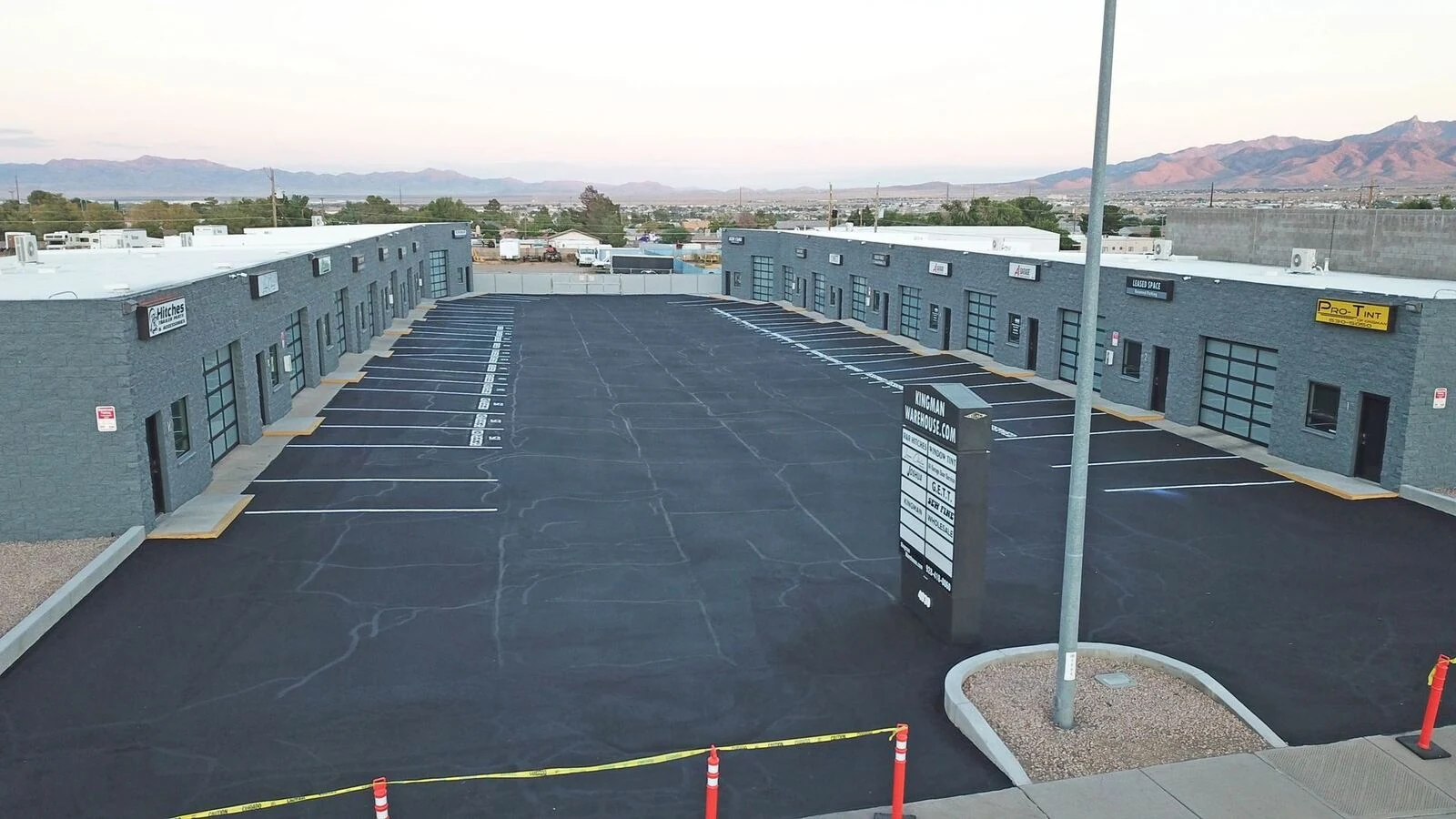
A property like Viewmont Mall or Wyoming Valley Mall carries large anchor stores with their own dedicated roof sections next to smaller in-line tenant spaces that share a continuous roof plane across a whole wing. Anchor roofs tend to be simpler to manage since one tenant controls the whole section, while in-line strip roofs mean any leak potentially affects several unrelated businesses at once, each with different hours, different sensitivity to disruption, and different lease terms governing who pays for what.
We map roof sections against lease boundaries before starting any strip center project, since property managers need that information to allocate cost correctly, and a repair that straddles two tenant spaces needs documentation clear enough to support whatever the lease says about responsibility.
Working Around Retail Hours, Not Around a Job Site Clock
Retail tenants along Route 6 and the Abington strip operate on customer-facing hours that a typical construction schedule doesn't have to think about, and noisy roof work during business hours drives away foot traffic in a way it never would at an office or warehouse. We schedule the loudest phases of a strip retail project, tear-off and material drops especially, for early morning or after-close hours where the lease and local ordinance allow it, keeping disruption away from the hours when tenants actually need customers walking in.
Parking lot access matters just as much as the roof work itself at these properties, since a construction staging area that blocks storefront parking costs a retail tenant sales in a way it wouldn't cost a warehouse operator, and we plan staging to preserve customer parking wherever the site allows it.
- Enclosed and open-air shopping malls
- Big-box anchor stores
- Neighborhood strip centers and plazas
- Grocery-anchored retail centers
- Restaurant row and mixed dining strips
- Freestanding retail pad sites
Route 6 Corridor Age and Roof Variation
The Route 6 corridor through Dickson City and Archbald has been developed in phases over several decades, and a single shopping strip along that road might have a roof from the original 1980s construction on one end and a 2010s addition on the other. We evaluate roof age section by section rather than assuming a plaza's entire roof shares one installation date, since the age variation across these older corridors is often wider than property records suggest.
Route 11 through Wyoming and the smaller Peckville strip in Blakely tend toward older, smaller-footprint centers where roof maintenance has sometimes lagged behind the bigger anchor properties nearby, and we treat these smaller plazas with the same inspection rigor as the larger malls, since a neighborhood strip's tenants depend on that roof just as much as a mall's do.
Snow and Ice Management Over Storefront Entries
Snow sliding or melting off a strip center's roof directly over a storefront entry creates both a liability issue and a customer experience problem, and this valley's freeze-thaw winter pattern makes ice buildup at roof edges and storefront overhangs a recurring concern. We check edge metal, gutter, and drainage detailing at storefront entries specifically during winter-prep inspections, since that's where ice dams and icicle formation over a customer entrance become a real hazard rather than just a maintenance note.
Rooftop drainage across a long strip run needs to move water away from shared walkways too, and older centers along these corridors sometimes have drainage systems that were adequate for the original tenant mix but haven't kept pace with added rooftop equipment or building modifications over the years.
Signage, HVAC, and Tenant Rooftop Penetrations
Retail tenants add rooftop penetrations that other building types rarely see, from signage conduit runs to dedicated HVAC units installed independently by an incoming restaurant or specialty tenant fitting out a previously vanilla-shell space. We survey these additions against the original roof plan before any project, since a tenant-installed penetration from a fit-out five years ago is a common source of a leak that otherwise looks unexplained from inside the space.
Restaurant tenants along strips like the Peckville corridor add exhaust and grease considerations similar to what we see on food processing buildings, and we account for that grease-laden exhaust exposure separately from the drier venting a retail clothing or electronics tenant's rooftop unit produces.
Retail Strip Roofing Questions We Hear
How do you handle a leak that affects two tenant spaces at once?
We map roof sections against lease boundaries and document findings clearly enough to support cost allocation under the lease.
Can roof work happen without disrupting retail hours?
We schedule the loudest phases for early morning or after-close hours to keep disruption away from customer traffic times.
Does an older strip center have one roof age or several?
Often several. We evaluate roof age section by section since phased construction over the decades creates real variation.
How do you prevent ice hazards over storefront entries?
We check edge metal and drainage detailing at entries specifically during winter-prep inspections to catch ice dam risk early.
Do you treat small neighborhood strips differently than mall anchors?
No, we apply the same inspection rigor, since a smaller plaza's tenants depend on that roof just as much as a mall anchor does.
Ready to review the roof scope?
Request a Roof AssessmentRelated Commercial Roofing