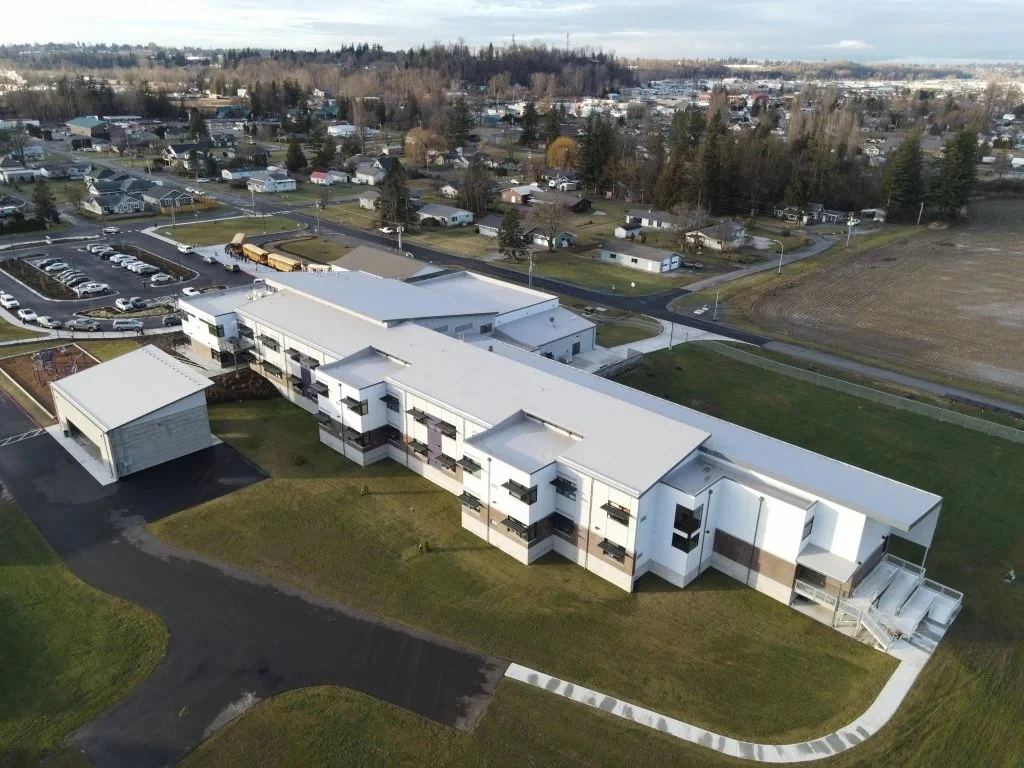
Government and Municipal Roofing in Scranton, PA
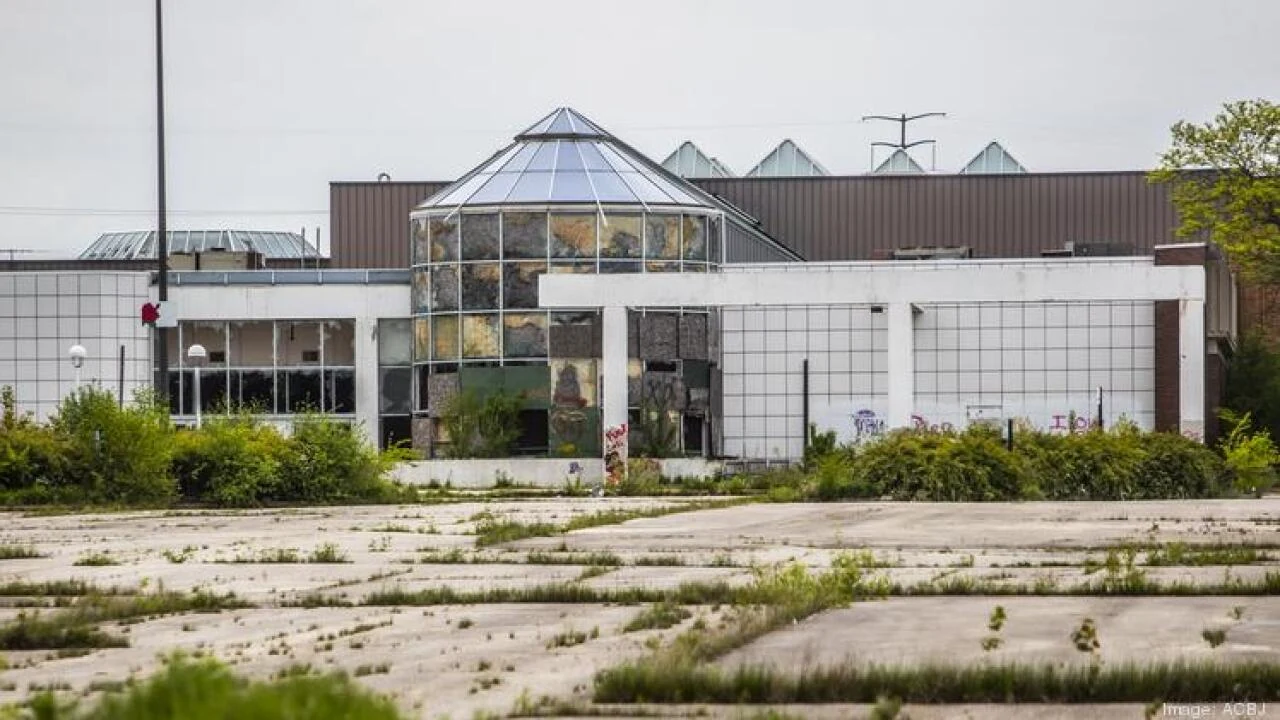
Civic Roofs Built During the Anthracite Boom, Still in Service
A lot of the government and civic building stock in Scranton and Wilkes-Barre dates back to the anthracite coal era, when both cities built courthouses, municipal halls, and fire stations meant to project permanence in brick, stone, and slate. Those buildings are still doing their jobs a century later, and Wilkes-Barre Township's newer arena district shows what modern civic and event construction looks like by comparison, a useful contrast for how differently we approach each generation.
Coal-Era Civic Buildings and What's Actually Original
County courthouses and older municipal buildings in this area frequently carry roof systems that have been replaced more than once since original construction, but the underlying structure, cornice work, and parapet detailing often remain from the anthracite era. We assess what's genuinely original versus what's a later mid-century patch before recommending any work, since a building's roofing history on paper doesn't always match what's actually up there.
Historic masonry parapets on these buildings need specific attention to how the roof membrane ties into the wall, since a mismatch between an older masonry cap and a newer membrane system is a common source of leaks in buildings this age, one that shows up as interior water staining in records rooms and public offices long before anyone traces it back to the roofline.
Fire Halls and Buildings That Can't Go Offline
A fire station roof project has a scheduling constraint most buildings don't: apparatus bays have to stay operational and response times can't be compromised by construction access blocking a bay door. We coordinate roof work at fire halls around shift schedules and keep bay doors clear at all times, treating emergency-response readiness as a non-negotiable constraint on how we sequence the job, not a scheduling inconvenience to work around later.
Older fire halls in the boroughs around Scranton and Wilkes-Barre sometimes have additions built onto the original structure decades apart, and roof transitions between those sections need particular attention since they're rarely detailed as cleanly as a single-era building would be.
Public Procurement and Documentation Requirements
Government roofing work generally comes with procurement and documentation requirements that private commercial projects don't carry, from competitive bidding processes to prevailing wage compliance and detailed project documentation for public record. We build these requirements into our process rather than treating them as paperwork bolted on after the fact, since municipal facilities managers need a contractor who understands that public money comes with public accountability.
Budget cycles matter too, since municipal roof projects often get approved a full fiscal year ahead of the actual work, and we help facilities managers scope and estimate projects early enough to make it into the right budget cycle rather than losing a year to timing.
- County courthouses and administrative buildings
- City and borough municipal halls
- Fire stations and emergency-response facilities
- Public works and maintenance garages
- Arena and civic event facilities
- Public library and community center buildings
Modern Civic Construction Near the Arena District
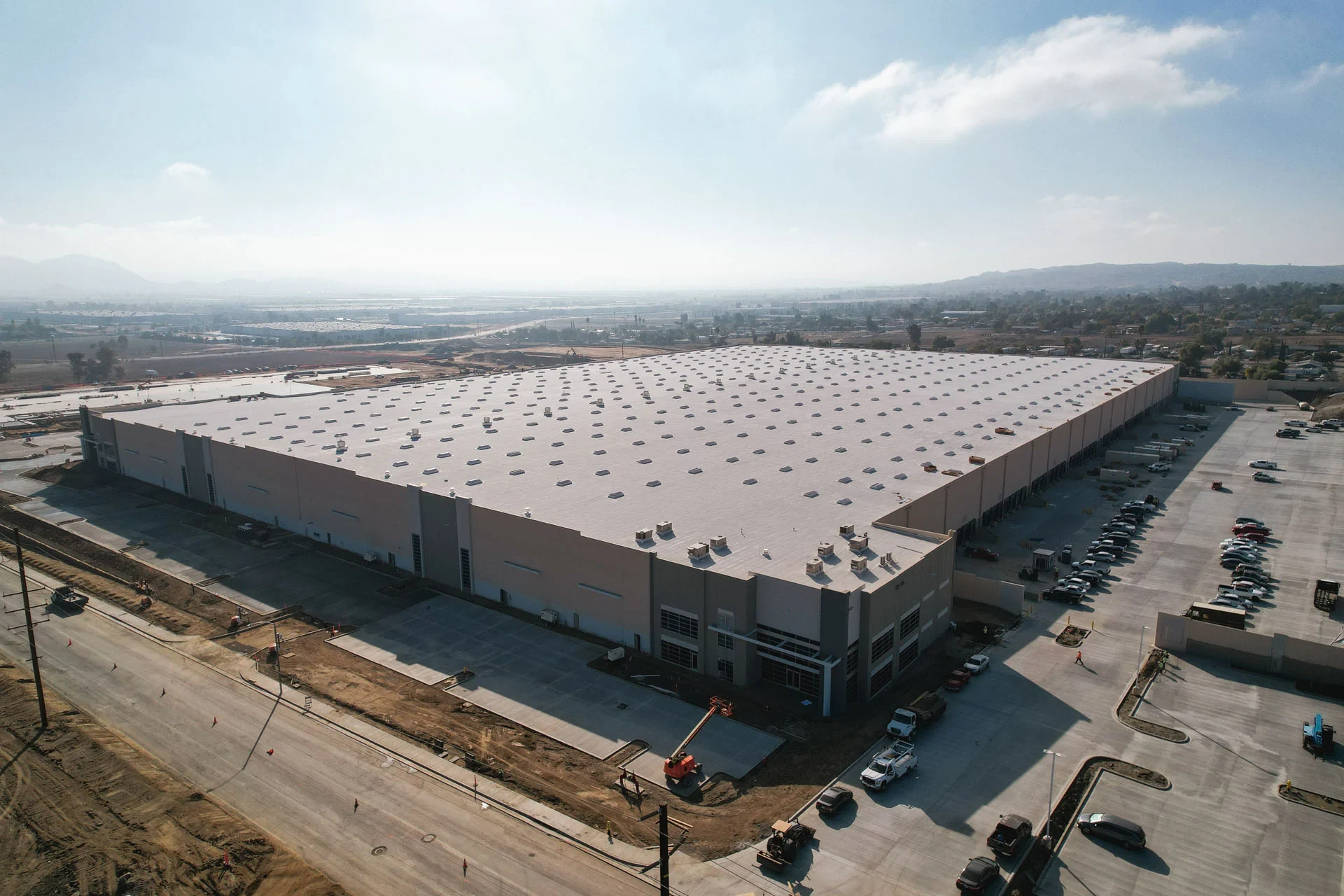
Wilkes-Barre Township's arena district represents a completely different roofing profile than the coal-era buildings downtown, with wide-span event facilities and modern low-slope systems that behave more like a large commercial building than a historic civic structure. We handle these two building generations with genuinely different approaches, since applying historic-building thinking to a modern arena roof, or vice versa, misses what each structure actually needs.
Event facilities also carry scheduling pressure tied to their booking calendar rather than a standard business week, and we coordinate roof work around event dates the same way we would around a hospital's surgical schedule, since a leak or construction disruption during a booked event has real financial consequences for the venue.
Public Works Garages and Equipment Storage Buildings
Municipal public works garages take a different kind of abuse than an office or courthouse roof, with vehicle exhaust, road salt tracked in on equipment, and heavier rooftop ventilation requirements tied to keeping a garage full of trucks and machinery properly aired out. We account for that exhaust and salt exposure when selecting coating and membrane systems for these buildings, since a system that holds up fine over a quiet administrative office doesn't always perform the same way over an active equipment bay.
These buildings also tend to run on tight municipal maintenance budgets, and we look for practical extension strategies, targeted coatings and localized repair among them, where a full replacement isn't yet justified by the roof's actual remaining condition. A public works director juggling plow trucks, road repair, and a dozen other line items benefits from a roofing plan that stretches useful life responsibly rather than pushing for full replacement before it's actually warranted.
Government and Municipal Roofing Questions We Hear
Do you handle competitive bid and prevailing wage requirements?
Yes, we build public procurement requirements into our process from the start rather than treating them as an afterthought.
Can fire station bay doors stay operational during roof work?
Yes, we treat apparatus bay access and response readiness as a non-negotiable scheduling constraint on every fire hall project.
How do you handle historic masonry parapets on older civic buildings?
We pay specific attention to how membrane ties into original masonry caps, since that transition is a common source of leaks on buildings this age.
Can you help scope a project for next year's municipal budget cycle?
Yes, we help facilities managers estimate early enough to fit the right fiscal year's budget approval process.
Do arena and event facilities need different scheduling?
Yes, we coordinate around the venue's booking calendar since disruption during a scheduled event carries real financial cost.
Ready to review the roof scope?
Request a Roof AssessmentRelated Commercial Roofing