
Commercial Roofing Contractors Duryea, PA
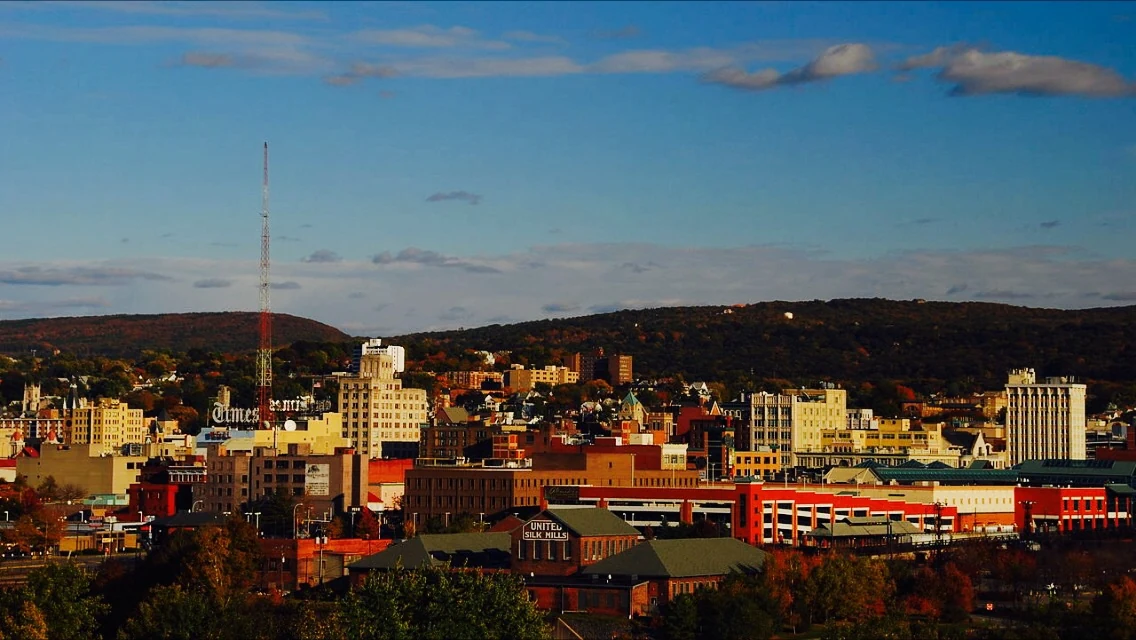
Commercial Roofers in Duryea
Commercial roofing in Duryea should begin with a documented assessment of membrane condition, seams, flashings, drainage, penetrations, and moisture before repair, coating, or replacement is selected. Duryea sits along the Lackawanna River where it bends toward Pittston, and a lot of its commercial building stock is industrial flats and warehouse space built close to the water and close to the rail lines that used to serve the region's mines and mills. Proximity to the river changes how we think about roof drainage here - it's not optional, it's the first thing we check.
Riverside Siting and Drainage
A building sited near a river floodplain doesn't automatically have a flood problem on its roof, but it usually has a drainage system that was engineered decades ago for a different set of rainfall patterns than we're seeing now. Heavier, more concentrated rain events put more volume through the same scuppers and internal drains than the systems were designed to handle, and on a flat industrial roof that means ponding water sitting longer than it should. We check drain capacity and roof slope on every Duryea assessment before we talk about membrane condition, because a perfect membrane over a bad drainage layout still fails.
Standing water accelerates membrane aging regardless of the material - UV breakdown happens faster under standing water than on a dry surface for most single-ply systems, and ponding on a built-up or modified bitumen roof works into seams that would otherwise hold fine.
Warehouse Flats: Simpler Roofs, Bigger Consequences
The warehouse and flex-industrial buildings along Duryea's riverside corridor tend to have large, simple roof fields - fewer penetrations than a retail strip, but a lot more square footage exposed to whatever's going wrong. A small leak on a 40,000-square-foot warehouse roof can travel a long way across the deck before it shows up as a stain on the floor below, which means the visible damage point and the actual failure point are often far apart. We map these roofs in sections during inspection rather than treating them as one undifferentiated field, so we can narrow down a leak source without guessing.
Keeping Loading Operations Running
Warehouse buildings in Duryea run loading dock operations on their own schedule, and a roof crew staged over an active dock door creates both a safety issue and a bottleneck nobody wants. We plan crew and material staging around dock activity, keep drop zones clear of loading lanes, and phase tear-off work so dock doors stay usable throughout the job.
- Drainage capacity checks before any membrane assessment
- Sectional leak mapping on large warehouse roof fields
- Staging plans that keep loading dock doors clear and usable
- Standing seam and single-ply repair for rail-adjacent industrial buildings
- Storm-response scheduling ahead of heavy regional rain events
Rail-Adjacent Buildings and Older Metal Roofs
Several of Duryea's older industrial buildings were built to serve rail-connected operations, and some still carry original or early-generation metal roofing that's been patched and repaired over decades rather than replaced. These roofs can often be brought back to a serviceable condition with targeted seam and fastener repair rather than full replacement, but only if the underlying panels haven't corroded past the point of holding a fastener. We assess panel condition honestly before recommending repair over replacement.
Freeze-Thaw Near the River
Proximity to the river adds a bit of extra moisture into the local microclimate, which matters for freeze-thaw cycling on flat roofs during Lackawanna County winters. Small cracks or seam gaps that would sit dry and stable elsewhere tend to take on more moisture here before a freeze, which accelerates the damage each freeze-thaw cycle does. We weight our fall inspection recommendations for Duryea buildings accordingly - sealing minor seam issues before winter matters more here than in a drier location.
We also check downspout and scupper outlets for ice blockage risk specifically, since a frozen outlet on a riverside building can back water up across a much larger section of roof than the same blockage would on a building set back from the floodplain, simply because these roofs tend to be flatter and slower to shed water to begin with.
Coatings and Recover Options for Older Warehouse Roofs
Not every aging warehouse roof in Duryea needs a full tear-off. Where the substrate is sound, a silicone coating or a recover system can extend service life at a lower cost and with far less disruption to loading operations than a full replacement. We're straightforward about when that's a real option versus when it's just delaying a bigger job - a coating over a compromised membrane doesn't solve anything, and we'll say so rather than sell it anyway.
Frequently Asked Questions
Does being close to the river put our roof at higher flood risk?
Roof-level flooding isn't typically the concern - the bigger issue is drainage systems designed for older rainfall patterns struggling with heavier modern storm events. We check drain and scupper capacity as a standard part of every assessment here.
Can you find a leak on a large warehouse roof without opening the whole thing up?
Yes, we map the roof in sections and use water testing to narrow the source before cutting anything, since on a large flat field the leak point is often well away from the interior stain.
Will roof work interrupt our loading dock operations?
We plan around active dock use specifically - staging equipment and material away from loading lanes and phasing work so dock doors stay usable through the job.
Is our old metal roof worth repairing or should we replace it?
That depends on panel condition, particularly corrosion at fastener points. We assess that honestly before recommending either path - a well-maintained older metal roof can often be repaired rather than replaced.
Do you help with insurance documentation after a storm event?
Yes, including documentation support with photos and written condition reports for storm-related claims.
Ready to review the roof scope?
Request a Roof AssessmentRelated Commercial Roofing