Food Processing & Cold Storage Roofing in Scranton, PA
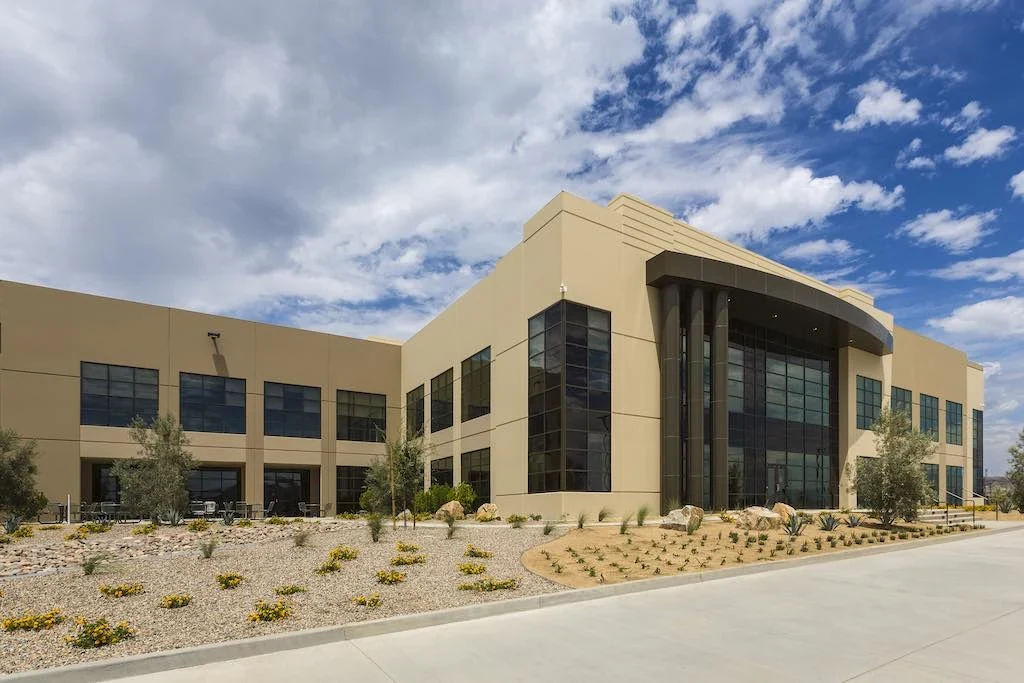
Roofing Where the Inside of the Building Runs Colder Than the Roof Deck
A cold-storage roof fails differently than a dry-goods warehouse roof. The membrane can look fine from the outside while a vapor barrier problem is soaking the insulation from underneath, driven by the temperature difference between a freezer floor and the deck above it. Plant managers running temperature-controlled space along the I-81 corridor deal with that risk constantly, and it's a different diagnostic problem than the one we solve on a standard flat-roof warehouse next door.
Why Condensation Is the Real Enemy Here, More Than Weather
On a conditioned dry warehouse, the roof assembly mostly has to keep exterior water out. On a cold-storage or blast-freezer building, warm interior humidity is constantly trying to migrate up through the deck toward the cold roof assembly, and if the vapor barrier has a gap - around a penetration, at a seam, at a rooftop unit curb - that moisture condenses inside the insulation where nobody can see it happening. By the time it shows up as a soft spot or a ceiling stain inside the plant, the insulation underneath has often been wet for a long time. We test for that specifically on cold-storage buildings rather than relying on a visual membrane inspection alone.
This matters more here than in a milder climate. NEPA's winter swings - cold outside air against a heavily conditioned freezer interior - create a steeper temperature gradient across the roof assembly than a building in a moderate climate zone ever sees, which makes vapor drive a bigger factor in how these roofs age.
Working Around Sanitation and Food-Safety Protocols
Roof work above a food-processing floor is a food-safety question as much as a construction logistics one. We coordinate with plant sanitation and quality staff before any work begins near penetrations, exhaust hoods, or areas over active production lines, because debris, dust, or a temporary breach in the roof assembly in the wrong spot can trigger a line shutdown or a documented sanitation event that costs the plant far more than the roofing bill. Where a job requires working directly above active processing space, we sequence it to run during scheduled sanitation windows or planned downtime rather than mid-shift.
Refrigeration Equipment on the Roof Changes the Access Plan
Cold-storage buildings carry a heavier load of rooftop condensing units, compressor racks, and refrigeration piping than a typical warehouse roof, and that equipment isn't optional infrastructure - a compressor going offline during roof work can mean product loss inside. We map every piece of refrigeration equipment on a roof before mobilizing, confirm which units are load-bearing for active cold rooms, and keep clear access paths for the facility's refrigeration technicians throughout the job. That coordination has to happen before the first day on site, not worked out on the fly.
Insulation and Membrane Choices for Sustained Temperature Differential
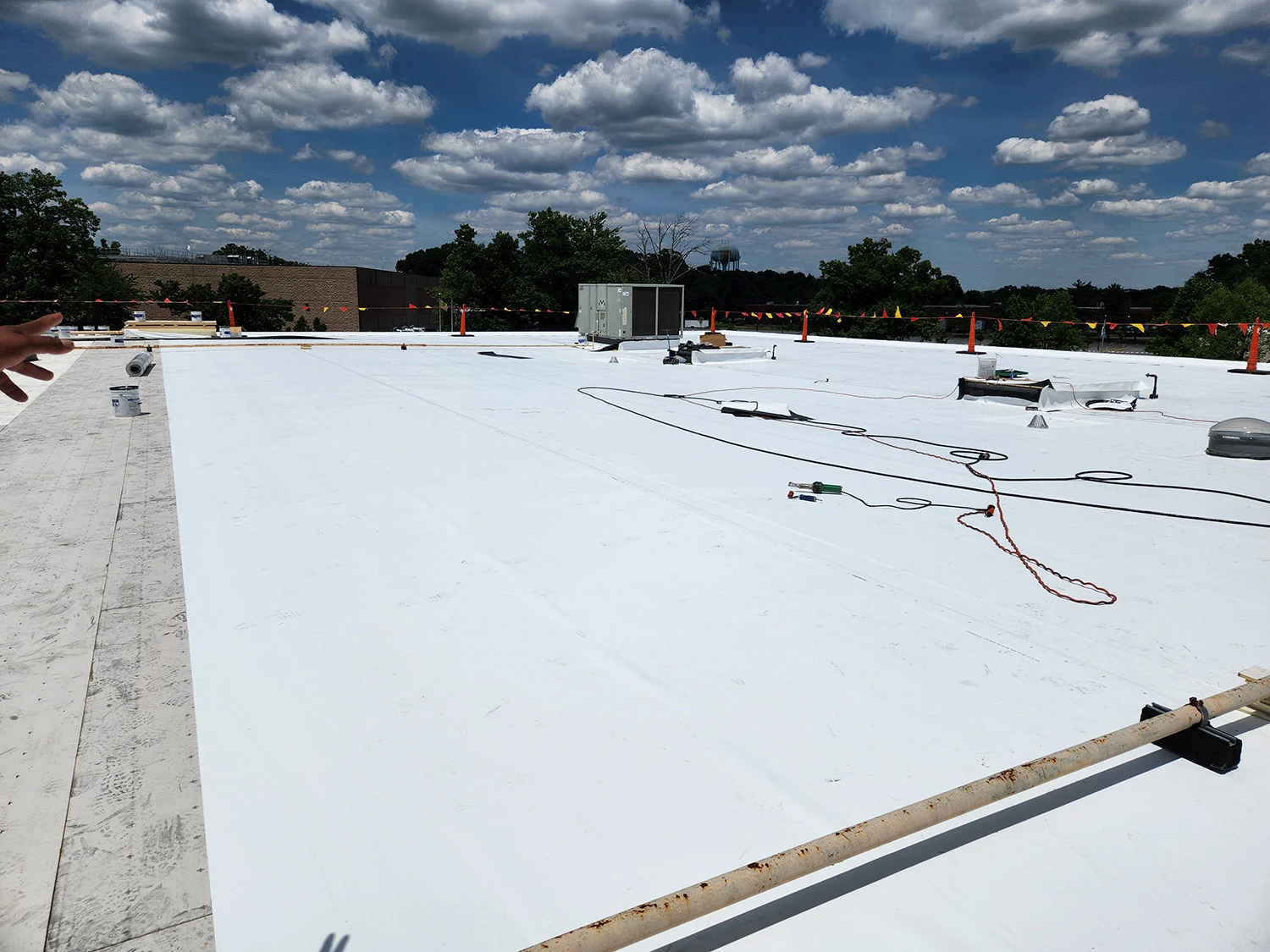
We generally steer cold-storage and processing clients toward membrane and insulation combinations built for sustained vapor drive rather than a standard warehouse spec pulled off the shelf. A properly detailed TPO system with a continuous, correctly lapped vapor barrier performs well here, and where an existing roof has known condensation history, we look hard at whether a recover can actually solve the problem or whether wet insulation needs to come out first - recovering over saturated insulation on a cold-storage roof just locks the moisture problem in place.
What We Check on Every Cold-Storage Roof Inspection
- Vapor barrier continuity at seams, penetrations, and equipment curbs
- Interior ceiling and insulation condition below known problem zones, beyond the exterior membrane alone
- Structural adequacy and access clearance for rooftop refrigeration and condensing equipment
- Drainage and slope adequacy given the region's snow and freeze-thaw pattern
- Documentation of any prior recover work and whether it addressed or masked existing moisture
- Coordination points with plant sanitation and food-safety staff for any work near production areas
Scheduling Around Production, Not Construction Convenience
Food-processing and cold-storage operators here run production calendars, not construction calendars, and we build our schedule around theirs. That can mean working overnight shifts, running a project across scheduled maintenance shutdowns, or breaking a job into shorter windows tied to your sanitation calendar rather than pushing for the fastest possible construction sequence. A faster roof timeline that costs a plant a full production day isn't actually faster.
Questions Plant and Facilities Managers Ask
How do you find a vapor barrier leak that isn't visible from the roof surface?
We combine exterior inspection with interior checks below the suspected area - ceiling condition, insulation moisture where accessible, and equipment or thermal patterns that point to where vapor is migrating through the assembly.
Can roof work happen without shutting down our production line?
In most cases, yes, if we're working over non-production zones or during a scheduled sanitation window. For work directly above an active line, we plan around your shutdown schedule rather than asking you to build one around us.
Will roof work put our food-safety certification or audit status at risk?
We follow your plant's sanitation and access protocols throughout the job - controlled entry points, contained debris handling, and no work directly over open product without your quality team's sign-off.
How often should a cold-storage roof be inspected compared to a dry warehouse?
More frequently, given the vapor-drive risk. We typically recommend cold-storage buildings get a closer interior-and-exterior check on a tighter interval than a comparable dry-goods warehouse in this climate.
What happens if you find wet insulation during an inspection?
We document the extent of it, identify the source, and give you options ranging from targeted repair to a phased tear-off of just the affected area - we don't default to recommending a full roof replacement if the damage is contained.
Ready to review the roof scope?
Request a Roof AssessmentRelated Commercial Roofing